Home Sellers
How should we plan a sell-then-buy move in the Katy-Houston west corridor?
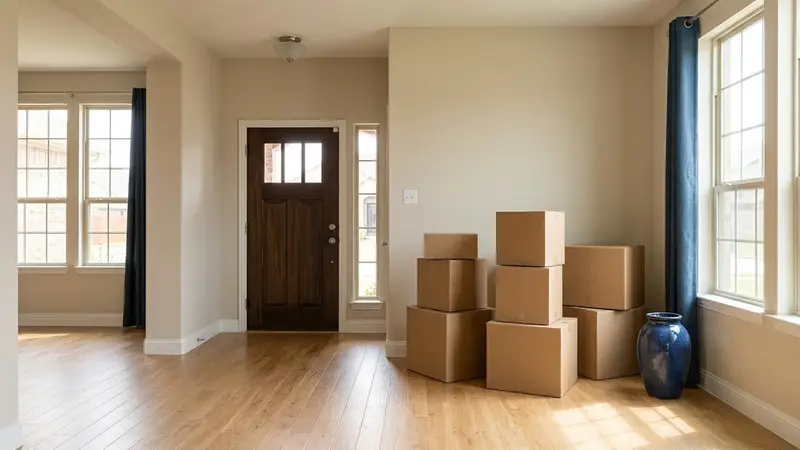
Selling one home and buying another means coordinating two timelines at once. Here is how to plan the sequence.
On this page
Two moves that have to fit together
When you need to sell your current home and buy your next one, you are managing two transactions that affect each other. A delay on one side can ripple into the other.
Many of Beverly’s clients have done this more than once, moving between homes across Katy, Fulshear, Richmond, and nearby west Houston communities.
This article covers the main ways to sequence the two moves, the questions to settle early, and how to keep both timelines realistic. You do not need to decide everything at once, but you do want to understand the tradeoffs before you commit.
Why repeat clients plan the order early
The order you choose affects your stress level, your finances, and how much flexibility you have when you find the right next home. It also affects how you present your offer to a seller when you find the next house, and how comfortable you feel while both deals are in motion.
Clients who have worked with Beverly more than once often mention that the second move felt clearer because the steps were already familiar.
She is currently assisting me with my next purchase and has walked me through the process.
Selling first
Selling first can give you a clear picture of your proceeds before you shop, and it can make your offer on the next home stronger.
The tradeoff is that you may need a place to stay if your sale closes before you find or close on your next home. Temporary housing can be short and simple, but it is worth pricing out ahead of time so it does not feel like an emergency later.
Some sellers ask a buyer for a later closing date or a short leaseback. Whether that is possible depends on the buyer and the contract, so talk it through early. Knowing your options before you list helps you negotiate for the timing you actually need.
Buying first
Buying first lets you move once and avoid temporary housing, but it can mean carrying two homes for a period.
Financing for two properties, or an offer that depends on selling your current home, raises questions only a lender can answer. Ask them early, before you fall in love with a house. Carrying two homes, even for a short time, affects your monthly budget, so it is worth understanding the numbers before you commit to this path.
Questions to settle before you start
A little planning up front makes it easier to choose an order that fits.
- How much of your next purchase depends on proceeds from this sale?
- Could you handle a short stay in temporary housing if needed?
- How flexible are your move-out and move-in dates?
- What repairs or prep does your current home need before listing?
Write your answers down and bring them to your agent and lender. They shape which path makes sense.
Comparing the common approaches
Each approach solves a different problem. None is right for everyone. Your finances, your flexibility, and the market at the time you list all play a part in which approach feels right.
| Approach | Main benefit | Main tradeoff |
|---|---|---|
| Sell first | Known proceeds before you buy | May need temporary housing |
| Buy first | One move, no gap | Possibly carrying two homes |
| Sale-dependent offer | Links the two deals | Can make your offer less competitive |
| Later closing date | More time to find the next home | Depends on the buyer agreeing |
| Short leaseback | Stay put briefly after closing | Terms must be agreed in writing |
Your lender and a licensed real estate professional can help you see which options fit your finances and contract.
Keeping both timelines honest
Build a little room into each side. Inspections, appraisals, repairs, and lender steps can all take longer than planned. If one side slips, having a buffer on the other gives you room to adjust without scrambling.
Clear, frequent updates on both transactions help you make decisions before a small delay becomes a big one. Ask your agent how updates will be shared on each side and who you should call when a question comes up on either transaction.
A next step
Start with one conversation that covers both sides: what your current home needs before listing, and what you want in your next one. You do not need a finished plan. Share your budget range, your preferred timing, and anything that worries you about juggling both moves.
Past clients’ experiences are individual stories, not promises of timing or price. Confirm current conditions and financing options with licensed professionals before you commit to a sequence.
This article is educational and reflects general, publicly available information. It is not legal, tax, lending, or inspection advice. Confirm contract terms, disclosures, and timelines with a licensed Texas real estate professional, a real estate attorney, and other qualified professionals, and check current market data before you decide.

Written by