Home Sellers
What should sellers expect during inspections and negotiations?
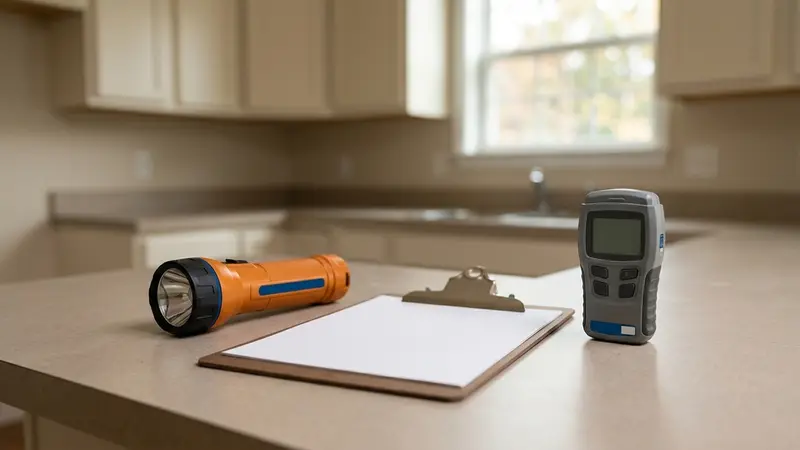
After you accept an offer, inspections and negotiations become a second decision cycle. Here is how to prepare for it calmly.
On this page
Why accepting an offer is not the finish line
Many sellers feel the hard part is over once they accept an offer. In practice, the weeks that follow often bring a second round of decisions.
The buyer will usually inspect the home, and what the inspector finds can lead to new requests. How you respond shapes whether the sale moves forward smoothly.
Knowing what to expect before you list makes this stage feel like part of the plan rather than a surprise. Sellers who plan for inspections tend to make calmer, clearer decisions when a request arrives.
What happens during the buyer’s inspection
The buyer typically hires a licensed inspector to look at the home’s structure and systems. You may be asked to make the home available and to leave during the visit.
The inspector writes a report. Some items are minor, some are maintenance notes, and a few may be larger concerns the buyer wants to discuss. Reading the report with your agent helps you separate what is truly significant from what is routine upkeep that almost every home shows.
Texas contracts often include terms such as an option period, and repair requests are usually handled in writing. Ask your agent and, when needed, a real estate attorney how those terms apply to your contract. Deadlines in the contract matter, so keep track of the dates and ask questions early rather than waiting until the last day.
How repair requests usually come up
After reviewing the report, the buyer may ask for repairs, a price adjustment, or a credit toward closing costs. Sometimes they ask for nothing at all.
You are not required to agree to every request. You can accept, decline, or suggest another option, and each choice has tradeoffs. A reasonable counteroffer can keep momentum going, while a flat refusal may be the right call for items that are clearly cosmetic or already reflected in the price.
The goal is to weigh what the request costs you against the value of keeping a buyer who is already committed. It often helps to think about what you would do if this buyer left and you had to start again.
Questions to ask before you respond
Before you answer a repair request, it helps to slow down and ask a few questions.
- Is this a safety, structural, or system issue, or a cosmetic one?
- What would a licensed contractor charge to fix it?
- Would a credit be simpler than arranging the repair yourself?
- What happens to your timeline if the buyer walks away?
Answering these with your agent keeps the conversation practical instead of emotional.
Common responses and what they mean
Most responses fall into a few patterns. None is automatically right; the best choice depends on the item, the market, and your deadline. Some sellers prefer to handle repairs themselves so they control the quality; others prefer a credit so the buyer can choose their own contractor after closing.
| Response | What it looks like | What to weigh |
|---|---|---|
| Make the repair | You hire a licensed pro before closing | Time, receipts, and scheduling |
| Offer a credit | Money toward the buyer’s closing costs | Lender limits and simplicity |
| Adjust the price | A lower contract price | Appraisal and your net proceeds |
| Decline the request | You keep terms as written | Risk the buyer may exit |
| Counter with a mix | Part repair, part credit | Finding a middle ground |
Confirm how any agreement is written into your contract with your agent, and ask a real estate attorney if you are unsure of your rights or obligations.
What one seller described
One of Beverly’s sellers, Evelyn K., wrote that Beverly was fantastic at directing them through negotiations, especially the inspection process, after a cash buyer came along within a week of listing.
That was one family’s experience, not a forecast for your home. It is a good reason to ask how your agent will communicate and guide you through this stage. Every inspection turns up different findings, and every buyer responds differently, so plan for a range of outcomes rather than a single path.
How to prepare before you list
You can reduce surprises by doing some of the work early. The more you understand your home’s condition before you list, the fewer surprises you face once a buyer is under contract.
- Fix known issues before the house goes on the market
- Gather receipts and records for past repairs
- Consider a pre-listing inspection if you want fewer surprises
- Decide your walk-away points before an offer arrives
Inspection findings, lender requirements, and negotiation leverage are specific to each property and change with market conditions. Confirm your situation with a licensed professional.
This article is educational and reflects general, publicly available information. It is not legal, tax, lending, or inspection advice. Confirm contract terms, disclosures, and timelines with a licensed Texas real estate professional, a real estate attorney, and other qualified professionals, and check current market data before you decide.

Written by